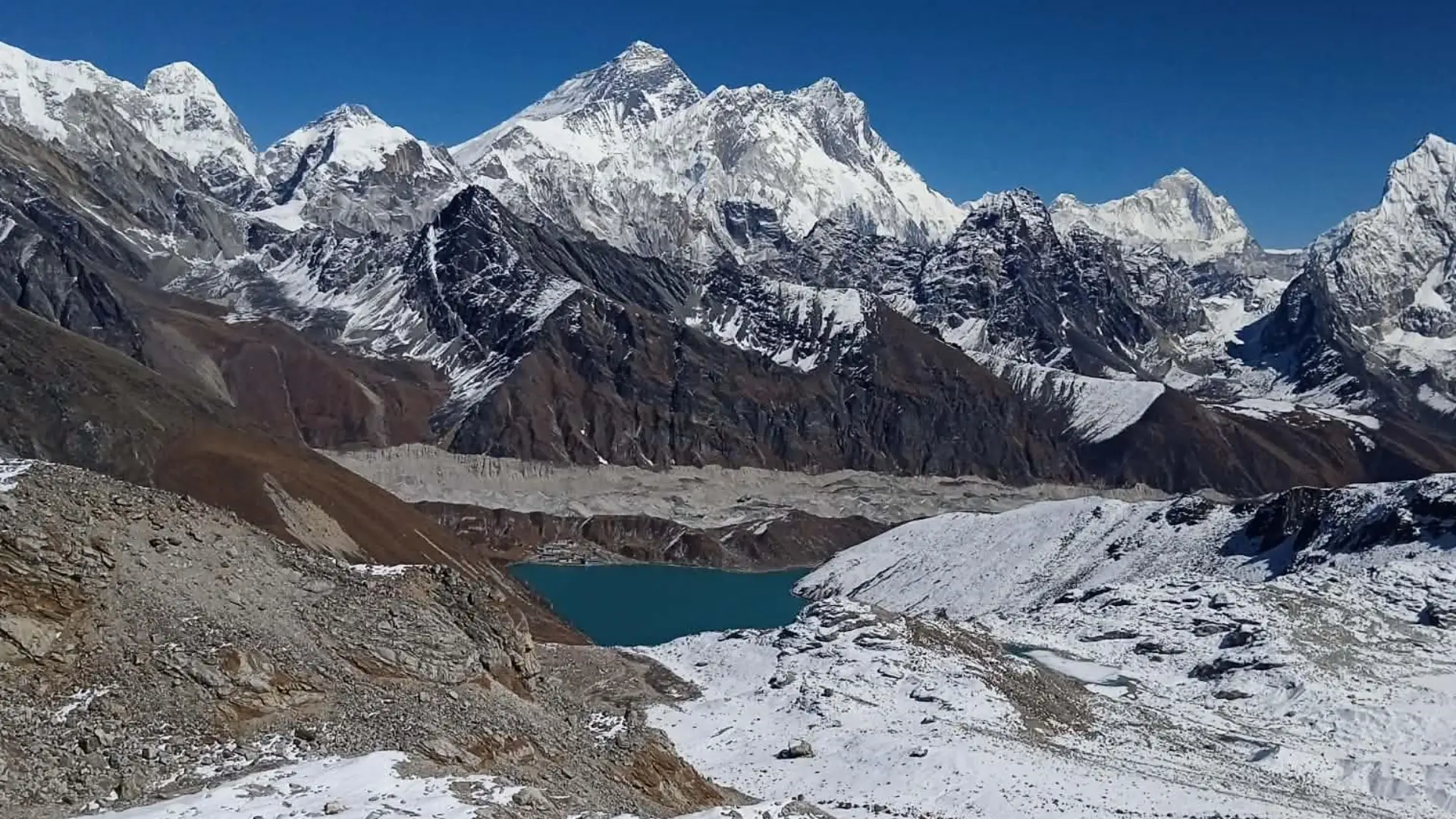
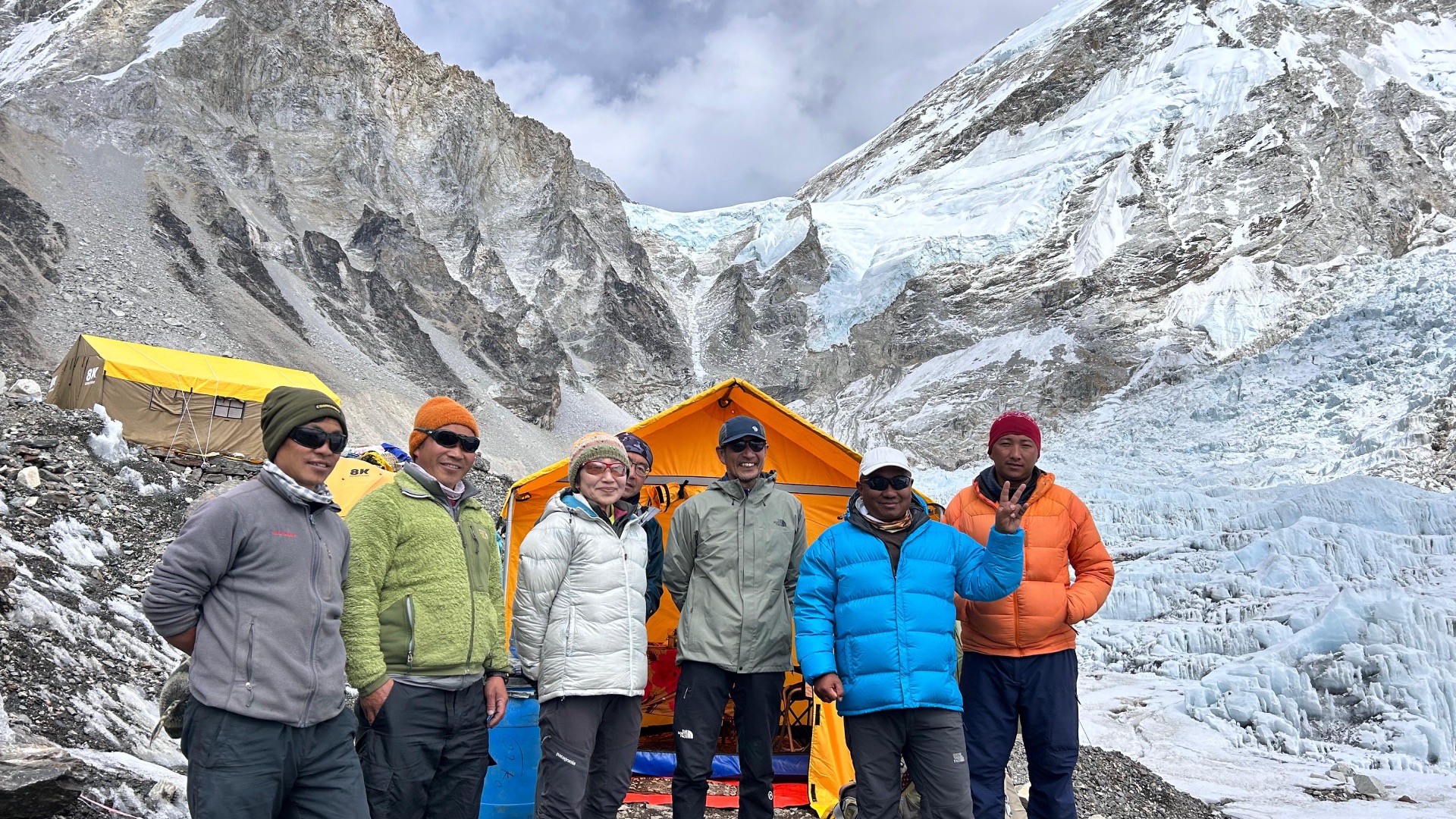
The Everest Region, known as the world’s eight-thousanders, stand as the ultimate challenge in mountaineering. Dominating the Himalayan and Karakoram ranges, these 14 colossal summits—including renowned giants like Mount Everest, K2, and Annapurna—demand not only physical strength but also technical expertise and strategic planning. Climbing above 8,000 meters thrusts adventurers into the perilous “death zone,” where oxygen levels drop dangerously low and every step becomes a battle against nature.
The environment confronting climbers is marked by extreme weather, unpredictable storms, icy ridges, and steep, treacherous terrain that require exceptional skill and preparation. The process of acclimatization becomes critical to avoid altitude sickness, making the ascent a meticulously planned endeavor that tests both physical endurance and mental resilience.
Key Challenges of 8000m Expeditions
Extreme altitude and oxygen deprivation in the death zone
Unpredictable and severe weather conditions
Technical climbing skills required for icy and rocky terrain
Extended acclimatization periods to prevent altitude sickness
Physical deterioration and mental fatigue at high altitudes
Risk of avalanches, crevasses, and rockfall
The Spirit of Mountaineering
Despite the inherent dangers, the pursuit of the 8000-meter peaks embodies the spirit of human determination and the quest for adventure. Success stories of summiting these giants are interwoven with cautionary tales of loss and struggle, reminding us of nature’s formidable power. With proper preparation, support from seasoned professionals, and an unwavering respect for the mountains, climbers can transform a seemingly insurmountable challenge into an extraordinary achievement.
Essential Preparation Elements
Comprehensive physical training and conditioning programs
Experience with high-altitude climbing and technical routes
Quality equipment including oxygen systems and specialized gear